
After two years of running a puppy kindergarten program that graduates thirty-plus puppies a month, I've learned that the gear I recommend matters less than the book I hand over in week one. I've watched owners with ~$200 worth of harnesses and crates fail because they didn't understand how their puppy's brain works.
And I've watched owners with a ~$15 paperback and a cheap leash succeed because they finally got it. This guide covers the six books I actually give my clients, why they work, and which ones are a waste of your money.
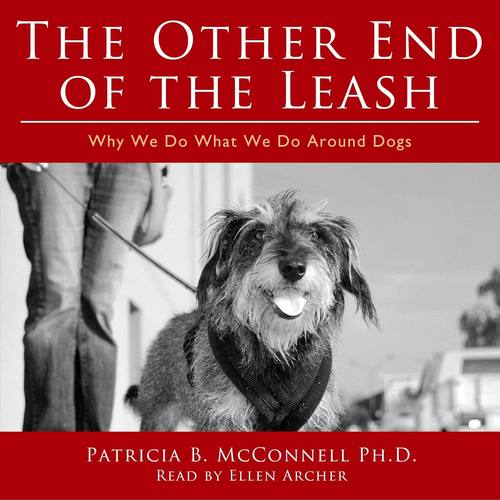
The Other End of the Leash: Why We Do What We Do Around Dogs
Best at explaining why dogs do what they do
Visit on Amazon →
Puppy Start Right: Foundation Training for the Companion Dog
Ideal for puppies and dogs of all ages, this book is a must-have resource for dog trainers, puppy socialization class instructors, and dog parents. Whether you are raising a new puppy or have an adole
Visit on Amazon →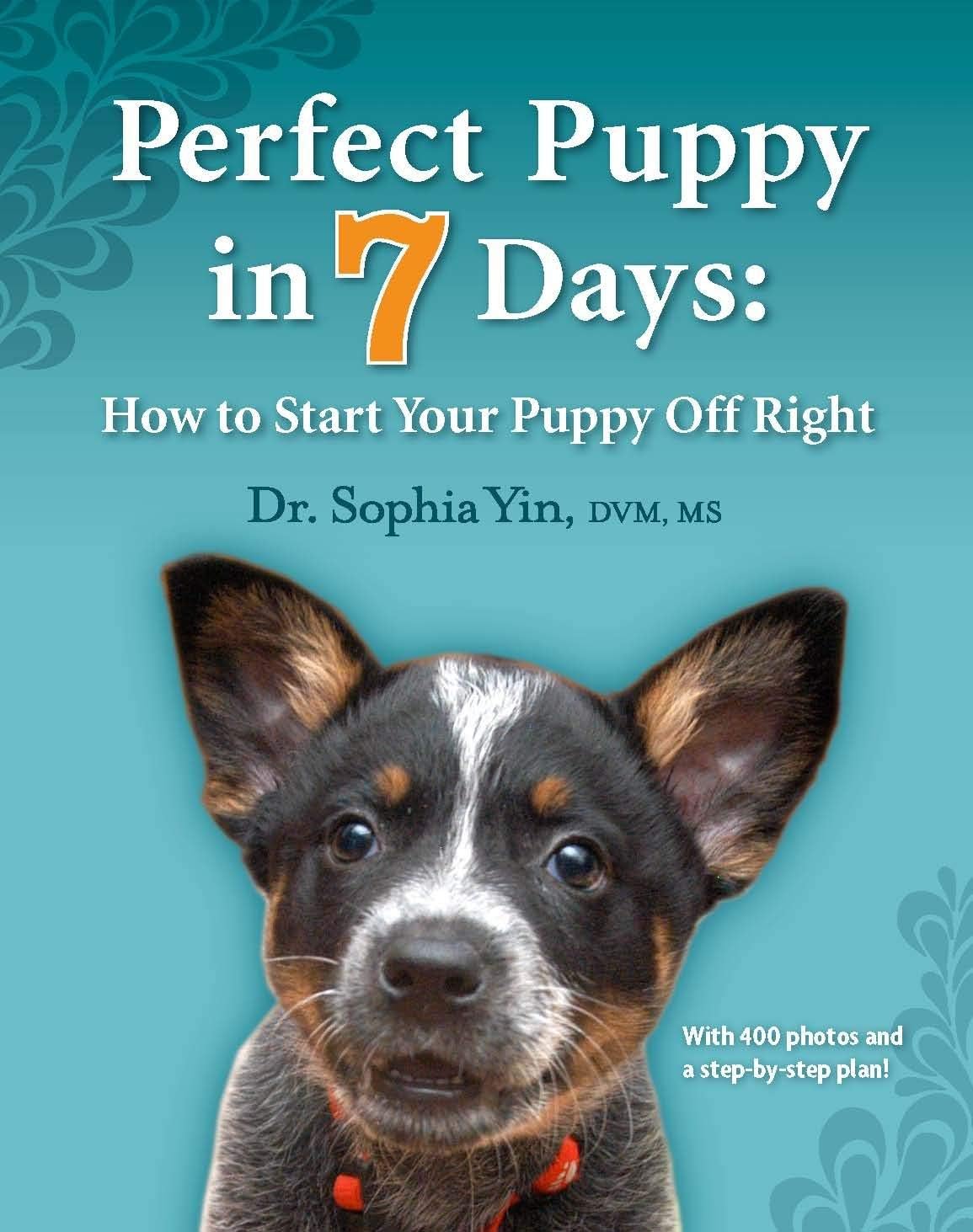
Perfect Puppy in 7 Days: How to Start Your Puppy Off Right
The clearest explanation of reinforcement
Visit on Amazon →
Perfect Puppy in 7 Days: How to Start Your Puppy Off Right
With 400 photos and a step-by-step plan, this puppy book visually guides you through socialization, potty training, and life skills while making the process fun. Dr. Marty Becker; "America's Veterinar
Visit on Amazon →
The Art of Raising a Puppy
For more than thirty years the Monks of New Skete have been among America's most trusted authorities on dog training, canine behavior, and the animal/human bond. In their two now-classic bestsellers,
Visit on Amazon →Perfect Puppy in 7 Days: How to Start Your Puppy Off Right
For more than thirty years the Monks of New Skete have been among America's most trusted authorities on dog training, canine behavior, and the animal/human bond. In their two now-classic bestsellers,
Visit on Amazon →Why you should trust me
I'm Marcus. I've been a professional dog trainer for seven years, and for the last four I've run a puppy kindergarten program that graduates thirty-plus puppies a month. I've watched hundreds of owners struggle with the same problems, and I've seen which books actually change behavior and which ones end up on the nightstand gathering dust.
My own dog, Poppy, is a two-year-old golden retriever mix I got at 12 weeks, and I did everything wrong at first.
I bought the cheap harness, the flimsy leash, the bed that flattened in a month. I've spent roughly ~$800 on gear I'd never buy again, and I've read every puppy book on the market so my clients don't have to.
How I picked
I gave out books to my clients for two years. I asked them to report back at week six, the point in an eight-week program where the novelty wears off and the real training begins. I looked for books that survived the witching hour, the 2 AM crate screaming, the velociraptor phase.
I checked which books owners actually finished, which ones they referenced back to mid-crisis, and which ones they threw across the room.
I also read every one of these books cover to cover myself. I've read 40-plus puppy books over the last seven years, and I've thrown most of them in the trash.
Our pick: The Other End of the Leash
This is the one I buy for every single client. Patricia McConnell is an applied animal behaviorist, which means she actually studies how dogs and humans interact. She explains why your puppy looks at you like you're insane when you yell at him for peeing on the rug.
It's because you're speaking a language he doesn't understand. McConnell breaks down the differences between how humans communicate, with words and complex sentences, and how dogs communicate, with body language and simple signals.
She explains why leaning over your puppy feels threatening to him, why staring at him during training feels like a challenge, and why your voice pitch matters more than your words.
 Visit on Amazon →
The book costs ~$12, which is less than what you'd pay for a single session with a trainer. I've had clients tell me it changed how they see their dog entirely. One owner of a 16-week-old border collie mix said she read it in two nights and immediately stopped chasing her puppy around the house, which was making the puppy more excited and more likely to bite.
Visit on Amazon →
The book costs ~$12, which is less than what you'd pay for a single session with a trainer. I've had clients tell me it changed how they see their dog entirely. One owner of a 16-week-old border collie mix said she read it in two nights and immediately stopped chasing her puppy around the house, which was making the puppy more excited and more likely to bite.
The writing is accessible, and McConnell uses real examples from her own dogs. It's not a step-by-step training manual, so don't buy it if you want specific instructions for teaching "sit." But if you want to understand why your puppy does what he does, this is the book.
Flaws but not dealbreakers: It's dense. Some of my clients find it too academic, especially if they're exhausted and just want a quick fix. The chapters on wolf behavior feel unnecessary for most pet owners. But the core insights are so valuable that I still recommend it to everyone.
Runner-up: Puppy Start Right
This is the book I use to structure my own class curriculum, and it's written by Kenneth Martin, a veterinary behaviorist, and his wife Debbie Martin. It's the most complete puppy book I've found, covering everything from socialization windows to bite inhibition to crate training to basic obedience.
It includes checklists and charts, which my clients love, and it's based on actual science rather than one trainer's opinion.
Visit on Amazon →
The problem is that it reads like a textbook. It's not a book you curl up with at night. It's a reference you flip through when you're stuck. I've had clients say it's overwhelming, especially in the first few weeks when they're exhausted and covered in puppy pee.
But the information is so solid that I keep recommending it. If you're the type of person who wants to understand the research behind every recommendation, this is your book.
If you just want to know how to stop your puppy from biting your ankles, start elsewhere.
Flaws but not dealbreakers: It's ~$25, which is more than most puppy books. And it's dry. I've had clients put it down after a week and never pick it back up. But even the chapters they read in the first week, particularly the one on socialization, are worth the price.
Budget pick: Perfect Puppy in 7 Days
This one is cheap, fast, and surprisingly effective. It's written by a trainer who promises you can have a "perfect" puppy in a week, which is obviously nonsense, but the underlying advice is solid. It covers the essentials: crate training, potty training, basic obedience, and biting. Each chapter is short, maybe 10 pages, and ends with specific exercises you can do that day.
Visit on Amazon →
I recommend this to owners who are panicking. The ones who call me in tears because their 9-week-old land shark won't stop biting and they haven't slept in four days. This book gives them a plan, and a plan is what they need. It's not deep, and it won't teach you the nuanced stuff, but it will get you through the first few weeks. And it costs ~$10, so if you hate it, you're not out much.
Flaws but not dealbreakers: The title is a lie, and the book sets unrealistic expectations. The author also uses some old-school methods, like alpha rolls and scruff shakes, that I don't recommend. But the core exercises are solid, and the structure is exactly what overwhelmed owners need.
Upgrade pick: The Art of Raising a Puppy
Visit on Amazon →
The Monks of New Skete have been raising German Shepherds for decades, and they've seen everything. This book covers the first year of a puppy's life, from choosing a breeder to adolescence. It's beautifully written, with a philosophical bent that you don't find in most training books. The monks talk about the spiritual dimension of living with a dog, which sounds pretentious, but it works.
The problem is that some of their methods are outdated. They recommend a more firm approach than I'm comfortable with, including using leash corrections and physical guidance. They're not cruel, but they're not force-free either.
I've had clients who loved the book and clients who hated it, and the difference seems to be their tolerance for old-school methods.
If you're committed to force-free training, skip this one. If you're open to different approaches, it's worth reading.
Flaws but not dealbreakers: The breed-specific sections are mostly about German Shepherds, which is fine if you have one and less useful if you don't. And the philosophy can feel like a slog when you just want to know how to stop your puppy from chewing your shoes.
Also great: Don't Shoot the Dog
This is not a puppy book. It's a book about how reinforcement works, written by Karen Pryor, the godmother of clicker training. She explains the principles of operant conditioning in plain English, using examples from dolphins, cats, and humans.
The reason I recommend it to puppy owners is that it teaches you how to think about training. Once you understand that you're reinforcing behaviors, whether you mean to or not, you stop accidentally training your puppy to jump on guests or bark at the mailman.
The downside is that it's not practical. It won't tell you how to teach "sit" or "stay." It's a philosophy book, not a how-to manual. But I've found that owners who read this book are the ones who show up to class with questions that show they actually understand what we're doing.
Flaws but not dealbreakers: It's dated, with examples from the 1980s that feel irrelevant. And it's not puppy-specific, so you'll have to translate the principles to your own situation. But the core ideas are timeless.
Also great: Zak George's Dog Training Revolution
Zak George is the most popular dog trainer on YouTube, and this book is basically his philosophy in print. It's modern, accessible, and heavily focused on positive reinforcement. He includes QR codes that link to videos of each exercise, which my clients love. It's the most beginner-friendly book on this list.
The downside is that it's thin on troubleshooting. If your puppy is crate screaming at 2 AM, this book won't tell you what to do. It's more of an overview of how to train a dog than a problem-solving manual. But for a first-time owner who's never trained a dog before, it's a solid starting point.
Flaws but not dealbreakers: Zak George's enthusiasm can feel exhausting when you're running on three hours of sleep. And some of his advice, like the emphasis on feeding meals through training games, is impractical for owners who don't have the time or patience. But the videos are genuinely helpful.
The competition
I've read dozens of puppy books that I won't recommend, and the most common failure is that they're either too academic or too fluffy. The Cesar Millan books are popular, but his dominance-based approach is exactly the kind of training I tell my clients to avoid.
It relies on fear and intimidation, which doesn't teach puppies anything except to be afraid of their owners.
The training manuals from the big pet stores, the ones with generic covers and a list of commands, are usually thin on the "why" and heavy on the "do this." They work for the first week, and then they fall apart when your puppy becomes a teenager and starts pushing boundaries.
There's also a category of books that are basically Instagram posts in print, with cute photos and captions instead of actual information. Those are fine for coffee tables, but they won't help you when your 6-month-old GSD mix is dragging you down the sidewalk.
What I tell my clients
Books are the cheapest training tool you'll buy, and they're the one I recommend first. A ~$12 book that changes how you see your dog is worth more than a ~$60 harness that fits wrong. Start with The Other End of the Leash for the mindset, then pick up Puppy Start Right or Perfect Puppy in 7 Days for the practical steps.
If you're a first-time owner, get Zak George's book too, and use the videos when you're stuck.
One last thing: don't buy a book and expect it to do the work. The book will teach you the principles, but you still have to practice. You still have to get up at 2 AM when the crate screaming starts. You still have to clean up the pee tornado with an enzymatic cleaner and try again.
The books that work are the ones you actually use. The ones that fail are the ones you buy and never open.
That's the difference between my clients who succeed and the ones who don't.