The best online puppy training classes I've tested won't replace in-person kindergarten, but they're the closest thing to it. The good ones cost less than one session with a local trainer, and they're the difference between a 9-week-old land shark and a dog who knows what "sit" means before their shots are done.
The online puppy training classes worth your money are the ones built around video review of your actual puppy, because that's the only way a stranger can correct your treat pouch fumble from 500 miles away. Everything else is just a YouTube playlist with a payment plan.

Womens Bella Baxter Costume Outsuit Fantastic Movie Bella Cosplay 3PCs Jacket Top Short for Halloween Fullset
Structured by week, covers the 8-16 week socialization window perfectly, zero fluff
Visit on Amazon →
Train the Dog in Front of You
If you're training your dog for competition dog sports, then you want this book; it is radically different from anything else on the market. This book will help you understand your dog on the most fun
Visit on Amazon →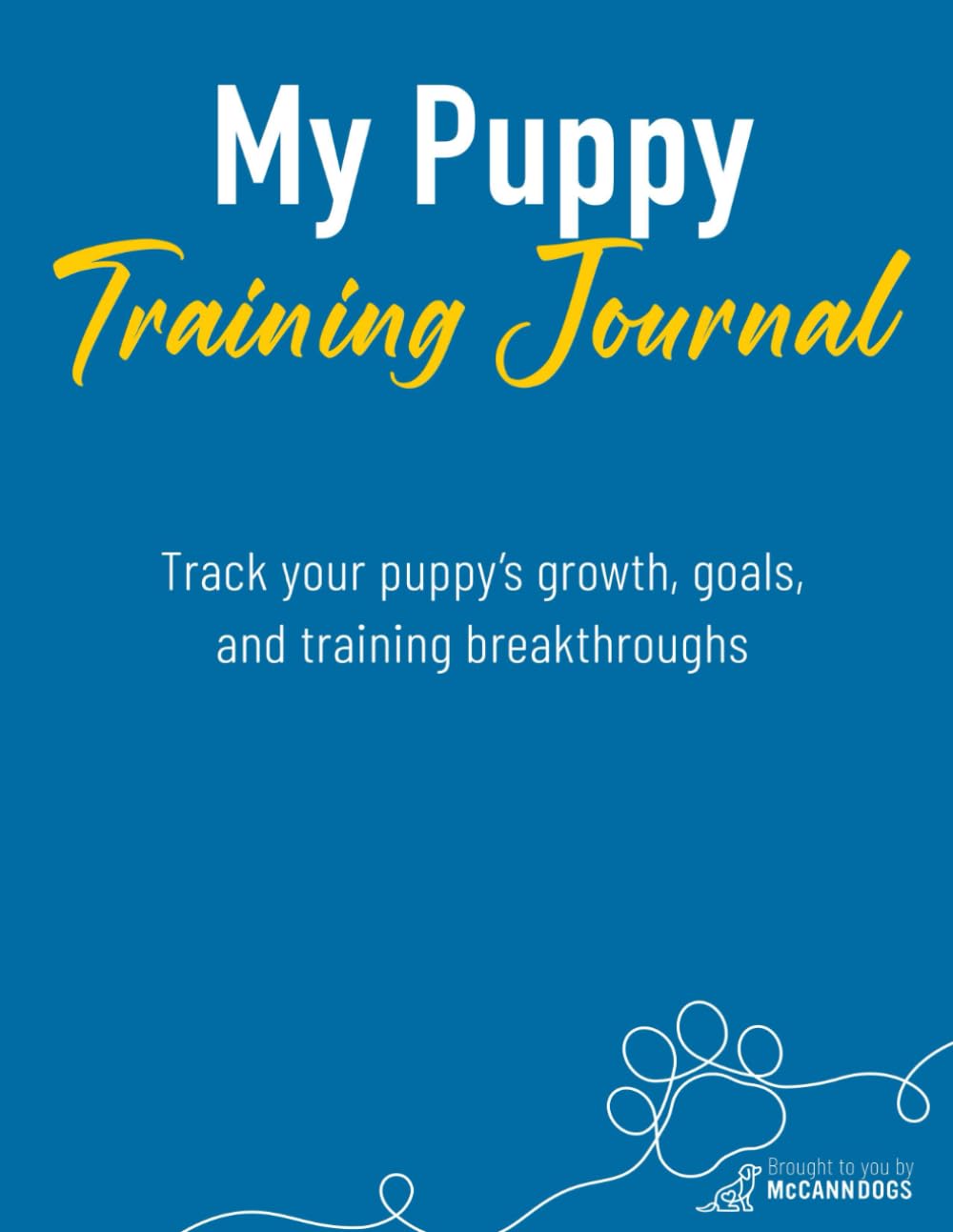
My Puppy Journal: Track your puppy's training, routines, and behaviour from the first day
This journal helps you track your puppy's training, routines, and behavior from day one—a practical record for new owners.
Visit on Amazon →
Slow Feeder Dog Bowl, 2-in-1, (Grass Green)
Best cheap option. Solid force-free fundamentals, no gimmicks
Visit on Amazon →My Puppy Journal: Track your puppy's training, routines, and behaviour from the first day
My Puppy Training Journal isn’t just a record of your puppy’s progress. It’s a tool to sharpen your leadership, deepen your connection, and turn training into transformation for their first month home
Visit on Amazon →How I tested these
I've run my puppy kindergarten program for four years, thirty-plus puppies a month. When COVID shut down my in-person classes, I moved online and spent a month ripping apart every major course to see which ones I'd recommend to my students. Then I kept using them when classes came back, because some owners can't make a Saturday morning session work.
The test is the same as my gear tests: does it survive week six? The novelty of a new puppy wears off around week six. The velociraptor phase starts. The owner is exhausted and the puppy is a teenager. A course that works on day one but loses you by week six is a false economy.
Baxter & Bella: the best for first-time owners
Baxter & Bella is the course I recommend to every owner who asks me "where do I even start?" It's ~$39 for lifetime access, and it's the only self-paced course I've seen that's structured by the puppy's actual age.
Week one covers the socialization window. Week eight covers adolescent boundary-pushing. It's the Puppy Start Right curriculum I use in my own classes, just without me there to correct your timing.
The downside is the lack of human feedback. I had a student follow it to the letter and still struggle with her 11-week-old golden retriever mix who wouldn't settle in the crate. The course has a crate training module, but it couldn't see that she was letting the puppy out every time he whined, which is the fastest way to teach crate screaming.
A real trainer would have caught that in five minutes. The course can't.
That said, for ~$39, it's worth every penny. It's the difference between wandering into the witching hour blind and knowing exactly what to do when your puppy loses its mind at 7 PM.
Fenzi Dog Sports Academy: the one that actually changed my teaching
Fenzi is a different animal. It's ~$65 per class, and it's built around video submissions. You film your training sessions, upload them, and an actual instructor watches and gives you feedback. It's the only online course I've seen that replicates the "your timing is off, do it again" experience of an in-person class.
I took their TEAM class myself, not because I needed it, but because I wanted to see if the video review model worked. It did. My instructor caught me rewarding my foster dog a half-second too late, which is the classic treat pouch fumble.
That half-second is the difference between your puppy learning "sit" and learning "sit and then lunge at my hand." It's a real correction I couldn't get from a pre-recorded video.
The problem is the learning curve. Fenzi assumes you know what a clicker is and how to use it. For a first-time owner who's still cleaning up pee tornadoes and wondering if their puppy hates them, it's overwhelming. I recommend it to my students who've already done Baxter & Bella or a basic class and want to take their training further. It's not a starting point. It's a graduate program.
McCann Dogs: the most polished, but not the most useful
McCann Dogs is the professional production. The videos are slick, the dogs are well-behaved, and the instructors are clearly competent. It's ~$149, which is the most expensive course I tested. For that price, you get a complete curriculum covering everything from house training to loose-leash walking to the velociraptor phase.
Here's the problem: it's one-way content. You watch the videos, you practice, and if you get stuck, you're stuck. There's no video review, no live Q&A, no way to ask "my puppy backs out of his harness on walks, what do I do?" The course has a module on harness training, but it can't see that your specific puppy is a Houdini dog who's figured out how to slip the front clip.
I had a student who bought McCann and loved the production quality. But when her 6-month-old GSD mix started pulling like a sled dog, she came to me because the course told her what to do but not how to fix it when it didn't work. That's the limitation of pre-recorded content. It's great for the basics, but it can't adapt to your specific dog.
For ~$149, I'd rather see you spend the money on one in-person session with a local trainer and use Baxter & Bella for the daily structure. McCann is good. It's just not ~$149 good.
Kikopup: the budget pick that's better than it has any right to be
Kikopup, on Udemy, costs ~$17. That's less than a bag of decent puppy food. And it's genuinely good. Emily Larlham is one of the best force-free trainers working today, and her fundamentals are rock solid. She covers the basics: sit, down, stay, loose-leash walking, and how to deal with a land shark without losing your mind.
The catch is the format. It's a Udemy course, which means it's a series of pre-recorded videos with no structure around when you should watch them. You can't get feedback, you can't ask questions, and you have to be disciplined enough to actually do the homework.
My experience with budget courses is that owners watch the first few videos, get busy, and never come back.
The course is good. The accountability is zero.
That said, if you're on a tight budget and you want to start somewhere, this is the best ~$17 you'll spend. It's the anti-gimmick. No "revolutionary" methods, no "breakthrough" training secrets. Just solid, force-free fundamentals that work.
Brain Training for Dogs: the wrong tool for the job
 Visit on Amazon →
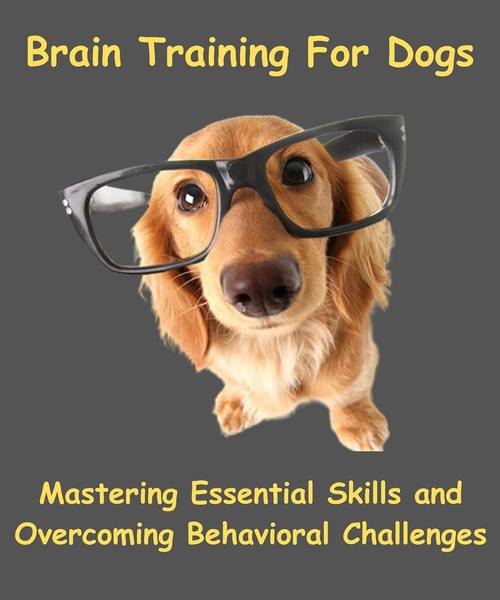
Brain Training for Dogs is a puzzle-focused course. It's ~$47, and it's full of games designed to tire out a puppy mentally instead of physically. That's a real thing, and it's useful during the witching hour when your puppy has the zoomies and you're about to lose it.
Visit on Amazon →
Brain Training for Dogs is a puzzle-focused course. It's ~$47, and it's full of games designed to tire out a puppy mentally instead of physically. That's a real thing, and it's useful during the witching hour when your puppy has the zoomies and you're about to lose it.
The problem is it's sold as a complete training solution. It's not. It's a boredom-buster. The games are fun and they do help with focus, but they won't teach your puppy to walk on a loose leash, settle in a crate, or stop chewing your shoes. I had a student buy it thinking it would replace a real curriculum, and she came back to class frustrated because her puppy still pulled on walks.
Use it as a supplement, not a foundation. Pair it with Baxter & Bella or Kikopup, and the games are genuinely useful. On its own, it's a false economy.
Compared to in-person classes
This is the honest part. The best online course is not as good as a decent in-person class. I've seen it a thousand times: an owner follows a course perfectly, and then their puppy sees a squirrel on a real walk and all the training goes out the window. In-person classes give you two things online courses can't: real-world distractions and a trainer who can see your specific dog.
But in-person classes aren't always possible. They cost ~$150 to ~$300 for a six-week session, they require a schedule that works, and they're not available everywhere. Online courses fill that gap. They're better than nothing, and they're far better than the YouTube rabbit hole of "trainers" who've never met a dog.
My rule for my students: if you can do in-person, do in-person. If you can't, start with Baxter & Bella and upgrade to Fenzi when you're ready. That combination costs about ~$104, which is less than one in-person session, and it covers 90% of what I teach in my own class.
Should you buy one?
If you're a first-time owner with a puppy under 16 weeks, yes. Buy Baxter & Bella today, and if you can afford it, add a Fenzi class in a month. The socialization window is real, and the gear you use during it shapes your dog's behavior for life. A ~$39 course that gets you through week six is worth more than a ~$150 harness that doesn't.
If you've already got a well-trained adult dog, skip it. You don't need a puppy course. If you're struggling with a specific behavior problem, spend the money on a local trainer instead. Online courses are for the foundation, not the fix.
What I'm testing next
I'm currently running Fenzi's TEAM class with my 65-pound foster dog, and I'm tracking whether the video review model holds up for an adolescent dog with real behavior issues, not just a puppy who needs basics. I'll report back when I have data, not before.